Wrote by
Joas Souza
Photographer
Neque porro quisquam est qui dolorem ipsum quia dolor sit amet, consectetur, adipisci velit...
Share on
Mastering Architectural Photography: Tips for Stunning Shots
Apr 2026
Architectural photography is more than just capturing buildings; it’s about telling a visual story of design, structure, and space. Whether you're a professional photographer or an enthusiast, mastering this art requires a keen eye, technical skills, and an understanding of light and composition. Here are some essential tips to elevate your architectural photography.
1. Understand the Architecture
Before taking a single shot, study the building. Research its history, architectural style, and design elements. Understanding the architect's vision will help you highlight the most striking features and capture the essence of the structure.
2. Choose the Right Gear
While a high-end camera is useful, what truly matters is how you use your equipment. A wide-angle lens is essential for capturing expansive structures, while a tilt-shift lens can help correct perspective distortion. A sturdy tripod is also a must for sharp, detailed images, especially in low-light conditions.
3. Utilize Natural Light
Lighting plays a crucial role in architectural photography. The golden hour—just after sunrise or before sunset—offers soft, warm light that enhances textures and details. The blue hour, just after sunset, provides a dramatic and atmospheric feel. Avoid harsh midday sunlight, as it can create unflattering shadows and overexposure.
4. Focus on Composition
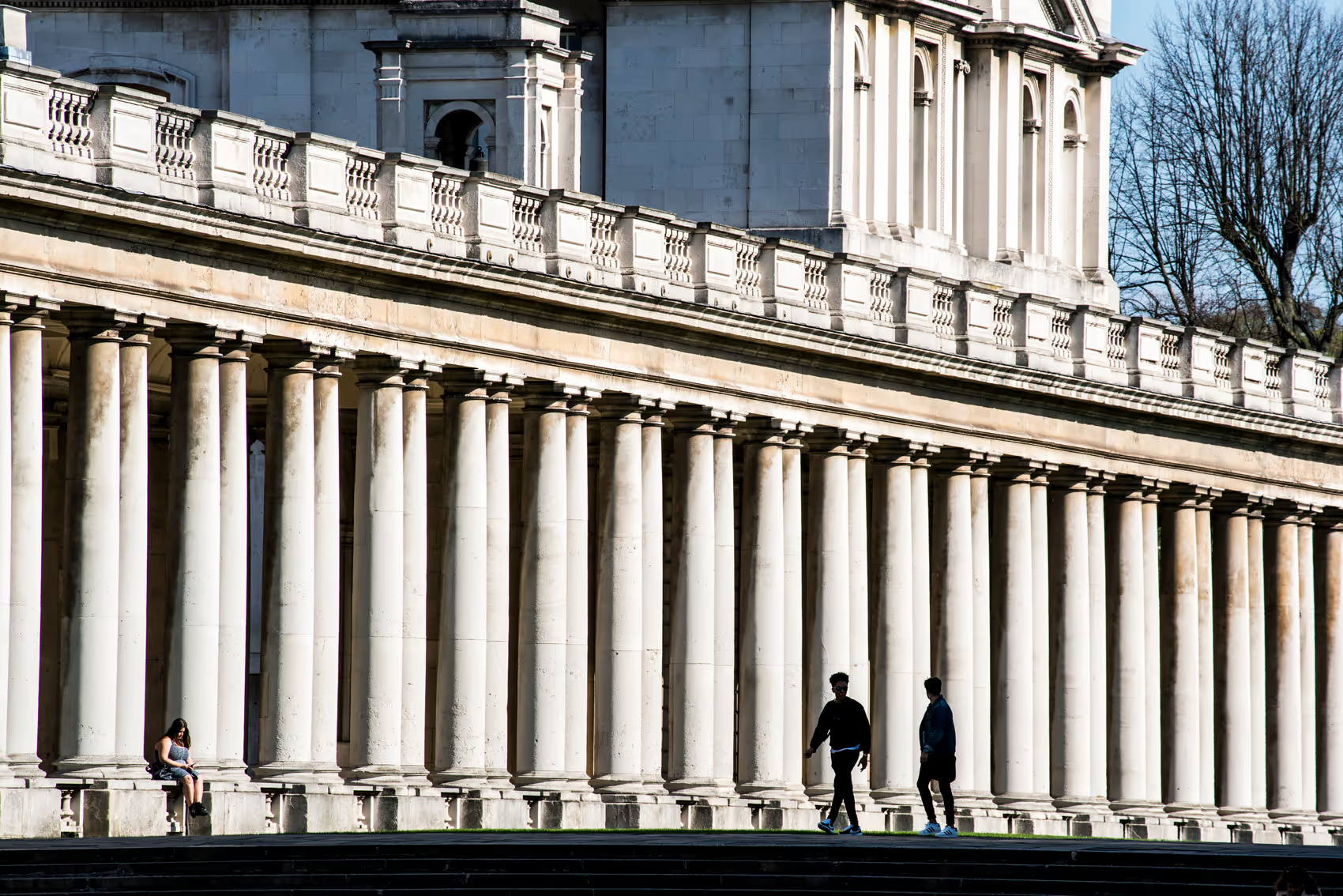
Strong composition is key to compelling architectural photography. Use leading lines, symmetry, and framing techniques to guide the viewer’s eye. Experiment with different angles and perspectives to create dynamic and visually engaging images.
5. Pay Attention to Reflections and Shadows
Reflections in glass surfaces or water bodies can add depth and interest to your shots. Similarly, shadows can highlight architectural details and create dramatic effects. Be mindful of how these elements interact with the structure.
6. Post-Processing for Perfection
Editing is an essential step in architectural photography. Use software like Adobe Lightroom or Photoshop to correct perspective distortions, adjust lighting, and enhance colors. However, avoid over-processing—maintain the authenticity of the building’s design.
7. Capture the Building’s Context
Architecture does not exist in isolation. Including elements of the surrounding environment, such as people, streets, or nature, can add a sense of scale and storytelling to your images. This helps viewers appreciate how the structure fits within its landscape.
Conclusion
Mastering architectural photography takes practice, patience, and a deep appreciation for design. By understanding the building, using the right equipment, and focusing on lighting and composition, you can create stunning images that truly showcase the beauty of architecture. So grab your camera, explore different structures, and start capturing the world’s architectural wonders!